Strength Before MetCon? How to Combine Heavy Lifting and Conditioning in One Session
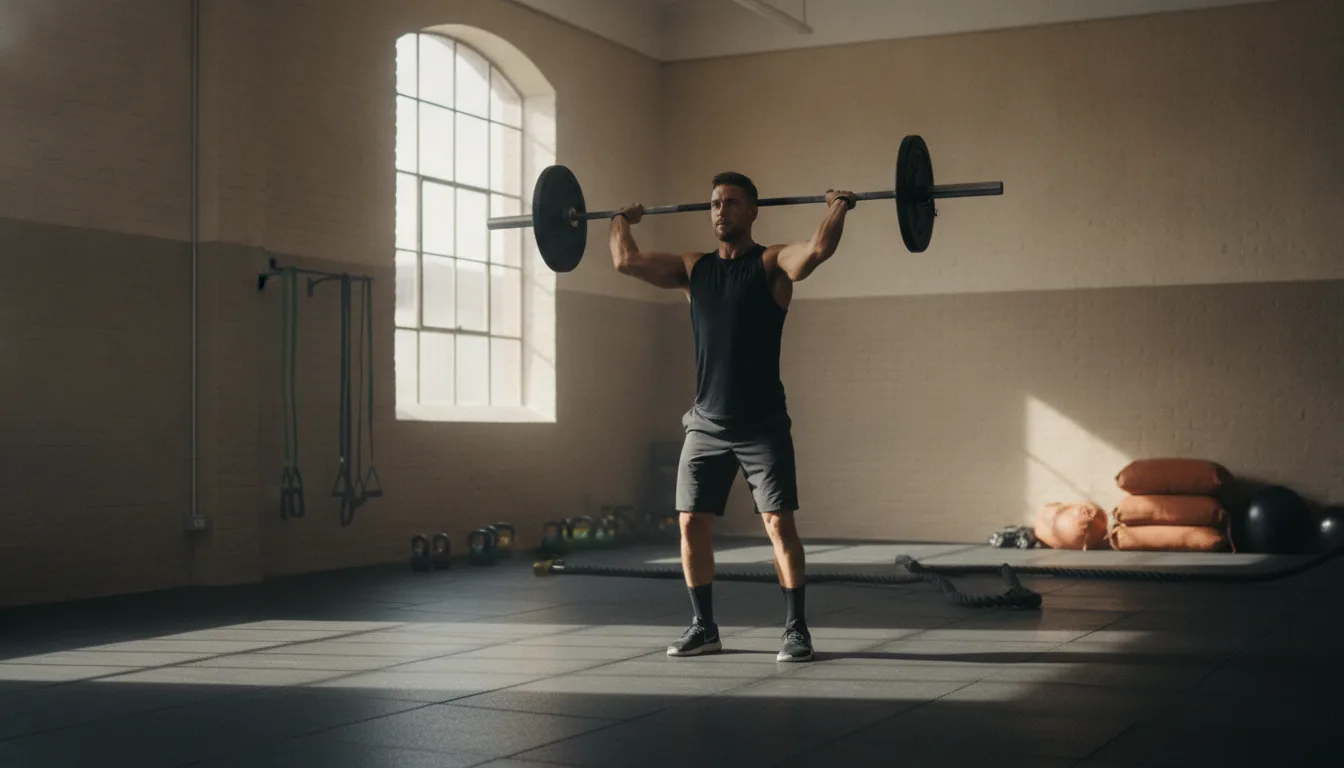
Learn how to structure a single 60-minute training session that combines heavy strength work with high-intensity conditioning without burning out your central nervous system. Discover the physiological principles of concurrent training and follow our ready-to-use workout template to maximize both barbell power and engine capacity.
For functional fitness athletes, the ultimate goal is simple yet demanding: build raw strength while maintaining a high-output cardiovascular engine. However, trying to hit heavy back squat singles right after a lung-burning conditioning workout is a recipe for missed lifts and injury. Conversely, fatiguing yourself with excessive barbell volume can turn your high-intensity metabolic conditioning into a sluggish slog.
The solution lies in mastering concurrent training—the art of developing maximal strength and aerobic capacity within the same training block. When structured properly within a 60-minute window, you can lift heavy and push your conditioning without falling victim to central nervous system (CNS) burnout or the dreaded interference effect.
The Science of Session Ordering: Why Strength Comes First
In almost every scenario, heavy strength work should precede high-intensity conditioning. Here is why this rule of thumb is critical for long-term progress:
Neural Drive and Safety: Heavy compound movements (squats, deadlifts, presses, and Olympic lifts) require maximum motor unit recruitment and sharp neuromuscular coordination. Performing these movements when fresh minimizes technique breakdown and dramatically reduces the risk of injury.
Mitigating the Interference Effect: High-intensity aerobic conditioning activates AMPK pathways (signaling endurance adaptations), which can blunt the mTOR pathways responsible for muscle protein synthesis and strength gains if done immediately prior to lifting.
Pacing and RPE Accuracy: Conditioning creates acute systemic fatigue, elevated heart rates, and localized muscular lactic acid accumulation. If you lift while fatigued, your perceived exertion (RPE) skyrockets, forcing you to lift lighter weights that fail to trigger maximal strength adaptations.
If you find yourself stuck on how to program complementary conditioning pieces that do not compromise your lifting numbers, you can generate balanced, equipment-specific finishers in seconds using our random metcon generator.
The 60-Minute Blueprint: Balancing Lifting & MetCons
To fit both components into a standard one-hour gym session, follow this practical concurrent training session designed to build lower-body power followed by an intense, complementary conditioning piece.
Dynamic Warm-Up (10 Minutes)
3 Minutes: Monostructural machine at an easy pace (Echo Bike or Rower).
2 Rounds of Movement Prep:
10 World's Greatest Stretches
10 Banded Good Mornings
10 Deep Goblet Squats with a 3-second pause in the hole
15 Banded Lat Pulldowns
Barbell Warm-Up: Empty bar squats building gradually to your working weight over 3 ramp-up sets.
Strength/Skill: Heavy Back Squats (20 Minutes)
Focus entirely on bar speed, tension, and strict mechanics. Take a full 2 to 3 minutes of rest between sets to allow full ATP-CP system and neural recovery.
Movement: Barbell Back Squat
Protocol: 5 sets of 3 reps @ 80–85% 1RM (RPE 8)
Rest: 2.5 minutes between working sets
Focus: Explosive concentric drive out of the bottom, maintaining core stability and an upright torso.
MetCon: "Oxygen & Power" (15 Minutes)
This 12-minute conditioning piece utilizes non-competing movement patterns to challenge your aerobic threshold and upper-body stamina without overloading the knee extensors used in the back squats.
12-Minute AMRAP (As Many Rounds as Possible):
12 Calorie Row or SkiErg
15 Kettlebell Swings (24 kg / 16 kg) (Posterior chain / hip hinge focus)
12 Hand-Release Push-Ups (Upper body horizontal press)
30 Double-Unders (or 45 Single-Unders)
Coach's Note: Aim for a steady 80–85% effort pace. The goal is continuous movement with minimal transitions, avoiding redlining in the first 3 minutes.
Cool-Down & Parasympathetic Reset (10 Minutes)
3 Minutes: Very light walk or slow spin on a bike to clear lactate.
Static Stretching:
Couch Stretch (1 minute per side)
Pigeon Stretch (1 minute per side)
Child's Pose with Lat Reach (1 minute per side)
Box Breathing: 2 minutes of 4-second inhale, 4-second hold, 4-second exhale, 4-second hold to down-regulate the nervous system.
Key Takeaways for Long-Term Progress
Manage Total Volume: When combining strength and MetCons in one session, keep your strength work to 3–5 working sets. Do not run high-volume bodybuilding drop sets on the same day as a brutal threshold workout.
Vary Movement Biomechanics: If your strength portion focuses on a heavy knee flexion pattern (like Back Squats), structure your MetCon around hip hinging, pulling, and cyclic cardio rather than high-rep thrusters or wall balls.
Prioritize Rest Intervals: Strength gains require genuine neural recovery. Never rush through your strength rest periods just to save time for conditioning.
Fuel and Recover: Concurrent training places a high demand on glycogen stores. Prioritize intra-workout hydration and post-workout carbohydrate/protein replenishment to adapt and grow.