Unlocking CrossFit: Blending Gym, Weightlifting, and Gymnastics
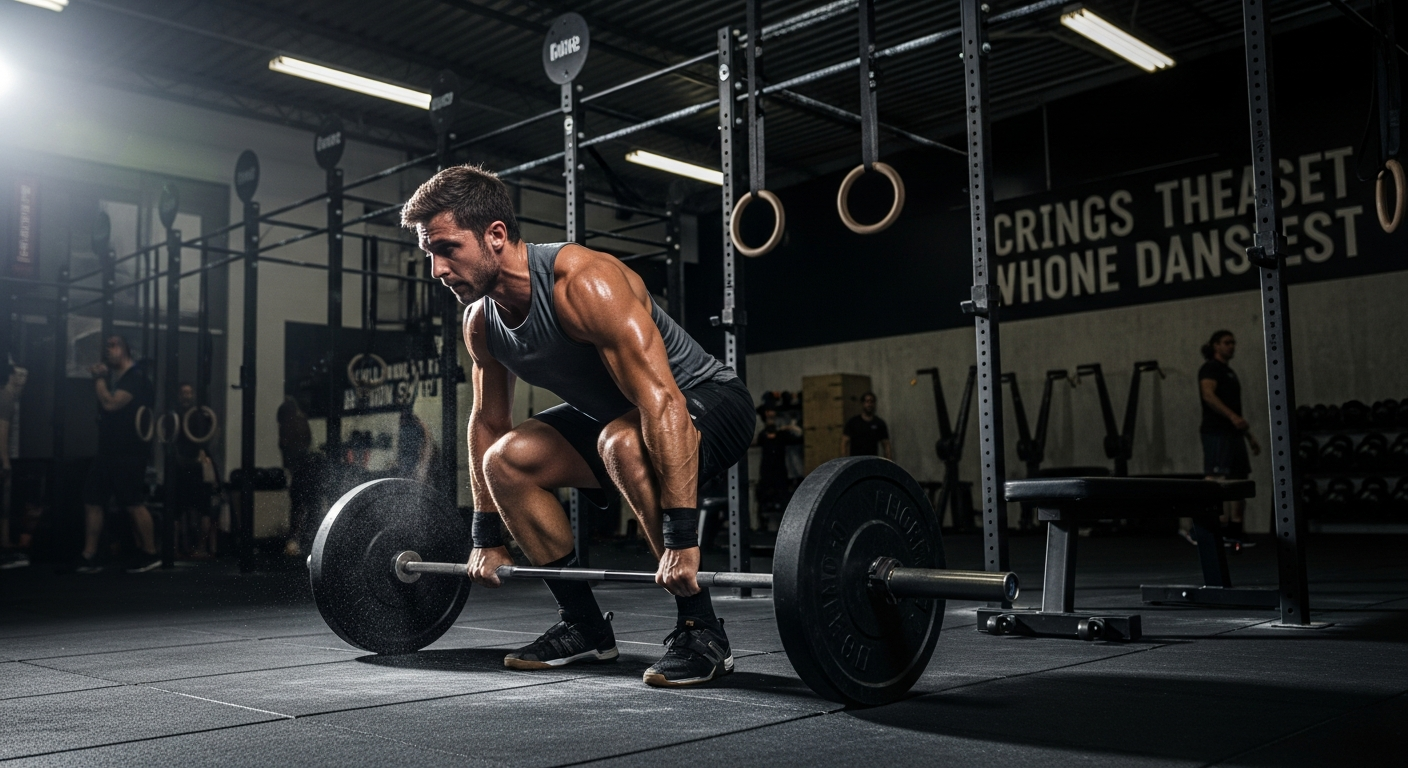
CrossFit's unique approach combines traditional gym exercises, Olympic weightlifting, and gymnastics for a well-rounded fitness experience. This article explores how these elements are integrated, fostering strength, power, and agility.
Step into the world of high-intensity functional fitness, and you'll quickly encounter CrossFit – a phenomenon that has redefined what it means to be truly fit. Far from being just another workout trend, CrossFit has carved out a unique niche by masterfully blending diverse disciplines into one cohesive, challenging, and incredibly effective program. If you've ever wondered how strength, power, agility, and endurance can all be cultivated simultaneously, then this article offers a comprehensive CrossFit Explained: Gym, Weightlifting & Gymnastics Blend, detailing its unique approach. It’s a fitness methodology designed to prepare individuals for any physical challenge, fostering a well-rounded athlete capable of performing across broad time and modal domains.
The CrossFit Trinity: Gym, Weightlifting, and Gymnastics
At the heart of CrossFit's unparalleled effectiveness lies its strategic integration of three fundamental pillars: traditional gym exercises, the explosive power of Olympic weightlifting, and the bodyweight mastery of gymnastics. Understanding how these elements synergize is key to appreciating the depth and breadth of the CrossFit methodology. Each component contributes unique benefits, and together, they forge a comprehensive fitness experience.
Gym Exercises: The Foundational Strength and Stamina
These classic, time-tested movements form the bedrock of countless CrossFit workouts, providing a robust foundation of strength, endurance, and muscular hypertrophy. They are often performed with high volume or intensity, pushing both muscular and cardiovascular limits. These exercises are not just about lifting heavy; they're about building functional strength that translates directly to real-world movements and activities, enhancing overall physical capability and resilience.
Squats: A universal movement pattern, squats are fundamental for lower body strength, core stability, and hip mobility. CrossFit incorporates various forms, including Air squats (bodyweight), Front squats (barbell racked on the front of the shoulders, emphasizing core and upper back), Back squats (barbell on the upper back, allowing for heavier loads), and Overhead squats (barbell held overhead, demanding extreme shoulder stability and core strength). Each variation targets the glutes, quads, and hamstrings, while also improving flexibility and balance.
Presses: Essential for developing upper body pushing strength and shoulder stability, presses are crucial for overhead movements and daily tasks. Examples include the Shoulder press (strict overhead press), Push press (using a slight leg drive to assist the press), and Push jerk (a more dynamic leg drive with a dip under the bar, allowing for maximal weight overhead). These movements strengthen the deltoids, triceps, and trapezius, contributing to powerful upper body mechanics.
Deadlifts: Often referred to as "the king of exercises," the deadlift is unparalleled for increasing overall strength, particularly in the posterior chain (glutes, hamstrings, lower back). CrossFit utilizes variations like the Conventional deadlift, Sumo deadlift (wider stance, more hip-dominant), and Romanian deadlift (focus on hamstring stretch). This movement pattern is critical for lifting objects safely and powerfully from the ground, building immense grip strength and core stability.
Running, Rowing, Biking: Beyond strength, CrossFit places a significant emphasis on cardiovascular endurance and stamina. These monostructural movements are frequently integrated into workouts, either as standalone conditioning pieces or combined with other exercises. They enhance aerobic capacity, improve lung function, and build mental fortitude, preparing athletes for sustained efforts and helping to recover faster between intense efforts.
These exercises are not merely performed; they are often combined in challenging ways, varied in repetition schemes, and pushed for speed or endurance, building both raw strength and the ability to sustain effort over time.
Olympic Weightlifting: Explosive Power and Technical Mastery
The inclusion of Olympic weightlifting distinguishes CrossFit from many other fitness programs. These highly technical and dynamic lifts demand not only immense strength but also precision, coordination, speed, and timing. They are a masterclass in full-body power production, moving heavy loads quickly and efficiently from the ground to an overhead position. Properly learning and executing these movements under the guidance of a qualified coach is paramount for safety and long-term progress, preventing injury and maximizing performance gains.
The Snatch: Considered one of the most athletic movements in sports, the snatch involves lifting the barbell from the ground to an overhead position in one continuous, fluid motion. It requires incredible speed, flexibility, and coordination, engaging virtually every muscle in the body. Mastering the snatch develops explosive power, improves proprioception, and builds significant core and shoulder stability.
The Clean & Jerk: This lift is broken into two distinct phases. First, the Clean, where the barbell is lifted from the ground to the shoulders (the "rack" position) in one explosive movement. Second, the Jerk, where the lifter drives the barbell from the shoulders to an overhead lockout using a powerful leg drive and a dip under the bar. The Clean & Jerk cultivates immense power, strength, and coordination, particularly in the legs, hips, and shoulders.
These lifts are not just about raw strength; they teach the body to move as a cohesive unit, generating force from the ground up, and transferring it through the core to the extremities. They are a powerful tool for developing athletic potential.
Gymnastics: Bodyweight Mastery, Agility, and Coordination
CrossFit's gymnastics component focuses on developing relative strength, body control, and spatial awareness through bodyweight movements. These exercises build incredible upper body and core strength, enhance agility, and improve coordination, often requiring significant mobility and stability. Gymnastics movements in CrossFit are highly scalable, meaning athletes of all skill levels can participate and progressively work towards more advanced movements.
Pull-ups: A fundamental upper body pulling exercise that builds strength in the lats, biceps, and shoulders. Variations include strict, kipping, and butterfly pull-ups, allowing for progression and different training stimuli.
Push-ups: A classic bodyweight movement for developing upper body pushing strength in the chest, shoulders, and triceps, while also engaging the core for stability. They are highly adaptable, from knee push-ups to deficit push-ups.
Ring Dips: Performed on gymnastic rings, these dips enhance upper body pressing strength, particularly in the chest, shoulders, and triceps, while simultaneously challenging shoulder stability and control due to the unstable nature of the rings.
Handstand Push-ups: An advanced bodyweight movement that builds significant shoulder strength and stability in an inverted position. It requires core strength, balance, and the ability to press one's entire body weight overhead.
Muscle-ups: A highly challenging compound movement that combines a pull-up and a dip into one fluid transition over the rings or a bar. The muscle-up demands exceptional upper body pulling and pushing strength, coordination, and explosive power, representing a significant milestone in bodyweight mastery.
The beauty of CrossFit gymnastics lies in its accessibility through scaling. Beginners can start with assisted pull-ups or ring rows, gradually building the strength and skill required for more complex movements, fostering a sense of accomplishment and continuous progress.
The Methodology Behind the Blend: Constantly Varied, High-Intensity, Functional Movement
Beyond just the exercises themselves, CrossFit's core philosophy dictates how these elements are combined and executed. This methodology is encapsulated in three key principles:
Constantly Varied: CrossFit workouts are rarely the same. This constant variation prevents adaptation, ensuring the body is always challenged in new ways. It exposes athletes to a wide range of movements, loads, and time domains, preparing them for the unknown and unknowable, which is a hallmark of true fitness.
High-Intensity: Intensity is relative to the individual, meaning it’s about working at the highest possible effort level that an individual can maintain with good form. This isn't about reckless abandon but about pushing physiological boundaries to elicit significant adaptations. High intensity is a primary driver of improved cardiovascular fitness, power output, and body composition changes.
Functional Movements: CrossFit prioritizes movements that mimic natural, multi-joint patterns found in everyday life – squatting, lifting, pressing, pulling, running. These movements are efficient, effective, and safe when performed correctly, building strength and coordination that translates directly to real-world activities, making individuals more capable and resilient.
A Day in the Life: What to Expect in a CrossFit Class
For those new to CrossFit, understanding the structure of a typical class can demystify the experience. While specific programming varies from gym to gym (or "box," as they are known), a general template allows for the seamless integration of the gym, weightlifting, and gymnastics elements:
Warm-up: Classes typically begin with a dynamic warm-up designed to increase heart rate, mobilize joints, and activate muscles. This might involve light cardio, dynamic stretches, and bodyweight movements relevant to the day's workout.
Skill/Strength Segment: This portion focuses on developing specific skills (e.g., handstand progressions, double-unders) or building strength in a particular lift (e.g., back squat 5x5, working on Olympic lift technique). This is where the technical aspects of weightlifting and gymnastics are often drilled.
Workout of the Day (WOD): The main event! The WOD is a challenging combination of movements performed for time, rounds, or reps. This is where the "constantly varied, high-intensity" principles truly shine, blending elements from all three pillars into a metabolic conditioning (MetCon) challenge. Examples might include "Fran" (thrusters and pull-ups) or "Murph" (run, pull-ups, push-ups, squats, run).
Cool-down/Mobility: The class concludes with a cool-down, often involving static stretching, foam rolling, or other mobility work to aid recovery and improve flexibility.
This structured approach ensures that athletes not only get a challenging workout but also continuously develop skills and strength in a progressive manner.
Why This Blend Works: Comprehensive Fitness and Beyond
The true genius of CrossFit lies in the synergistic effect of combining gym exercises, Olympic weightlifting, and gymnastics. This potent blend doesn't just make you strong; it makes you universally fit, fostering a wide range of physical attributes and even mental resilience. By constantly challenging the body in varied ways, CrossFit promotes a holistic approach to health and performance:
Functional Strength: Unlike isolated muscle training, CrossFit builds strength that is directly applicable to real-world activities, making everyday tasks easier and more efficient. Lifting a child, carrying groceries, or moving furniture all become less daunting.
Improved Cardiovascular Fitness: The high-intensity nature of MetCons significantly challenges and improves both aerobic and anaerobic systems, leading to better endurance, stamina, and overall heart health. You'll find yourself less winded during daily activities and able to sustain effort longer.
Enhanced Flexibility and Mobility: Gymnastics movements and the deep positions required in Olympic lifts naturally improve range of motion, joint health, and overall flexibility, reducing the risk of injury and improving movement quality.
Increased Power and Speed: Olympic weightlifting, in particular, trains the body to generate maximum force in minimal time, translating to explosive power and speed crucial for athletic performance and reactive movements.
Better Coordination and Balance: Integrating complex, varied movements from all three disciplines continually challenges and refines neuromuscular coordination and balance, improving body awareness and control.
Mental Fortitude and Resilience: The challenging nature of CrossFit workouts pushes individuals beyond their perceived limits, building mental toughness, discipline, and the ability to persevere through discomfort. This mental resilience often translates positively into other areas of life.
Community and Accountability: CrossFit boxes foster a strong sense of community. The shared struggle and encouragement from peers and coaches create a supportive environment that drives accountability and motivates individuals to push harder and stay consistent.
Universal Scalability: CrossFit is designed for everyone, regardless of current fitness level. Every workout can be scaled up or down in weight, reps, or movement complexity, ensuring that a grandmother can work out alongside a competitive athlete, both receiving an appropriately challenging stimulus.
CrossFit’s unique blend of gym exercises, weightlifting, and gymnastics offers a comprehensive, effective, and engaging approach to fitness. This combination builds well-rounded strength, power, endurance, flexibility, and coordination, all within a supportive community environment. Understanding the role of each element is key to appreciating the effectiveness of CrossFit and achieving your fitness goals.
Frequently Asked Questions
Is CrossFit suitable for beginners?
Absolutely! CrossFit is designed to be universally scalable, meaning that every workout can be modified to suit an individual's current fitness level, experience, and physical limitations. Coaches are trained to provide scaling options for movements, weights, and repetitions, ensuring that beginners can participate safely and effectively, gradually building strength and skill. Many gyms offer introductory courses to teach fundamental movements.
What if I can't do a pull-up or lift heavy?
That's perfectly normal, especially when starting out! CrossFit programming is built around progressive overload and scaling. If you can't do a pull-up, you'll start with assisted pull-ups (using bands or a machine), ring rows, or jumping pull-ups. Similarly, for weightlifting, you'll begin with lighter weights, PVC pipes, or empty barbells to learn proper technique before gradually increasing the load. The focus is always on movement quality first, then intensity.
Is CrossFit dangerous or prone to injury?
Like any physical activity, CrossFit carries an inherent risk of injury, especially if performed with poor form or excessive ego. However, when practiced under the guidance of certified coaches who emphasize proper technique, scaling, and listening to one's body, CrossFit is no more dangerous than many other sports or fitness regimens. The emphasis on functional movements and constant variation can actually help build a more resilient body, reducing the risk of common overuse injuries.
How often should I do CrossFit?
For most individuals, 3-5 days per week with adequate rest days in between is a good starting point. Beginners might benefit from 2-3 days a week to allow their bodies to adapt. Listening to your body, prioritizing recovery, and consulting with your coach are crucial for determining the optimal frequency for your goals and fitness level. Consistency over time is more important than daily attendance.
What's the main difference between CrossFit and traditional gym workouts?
The primary difference lies in the methodology and goals. Traditional gym workouts often focus on isolating muscle groups with fixed machines or specific body part splits, aiming for hypertrophy or specific strength gains. CrossFit, on the other hand, emphasizes functional movements performed at high intensity and constantly varied. Its goal is to develop broad, general, and inclusive fitness across multiple domains (strength, endurance, power, flexibility, coordination, etc.), rather than specializing in one area. The community aspect and competitive element of the WODs are also distinguishing features.
Ready to unlock your full athletic potential? Whether you're a seasoned athlete or just beginning your fitness journey, CrossFit offers a challenging yet rewarding path to comprehensive fitness. To explore diverse workout ideas that blend these powerful elements, check out MetCon Planner, your ultimate tool for generating varied and effective MetCons.